
Symptoms of POP
Women affected by pelvic organ prolapse may recognize one or more of these symptoms.
Women affected by pelvic organ prolapse may recognize one or more of these symptoms.
Pressure or discomfort in the vaginal or pelvic area

Diminished control in the bladder and/or bowels
Pain during intercourse
A bulge near the opening of the vagina
Pelvic organ prolapse can affect different areas of the body. The type you have may influence the symptoms you notice. Here’s a breakdown of the most common types and how they may feel.
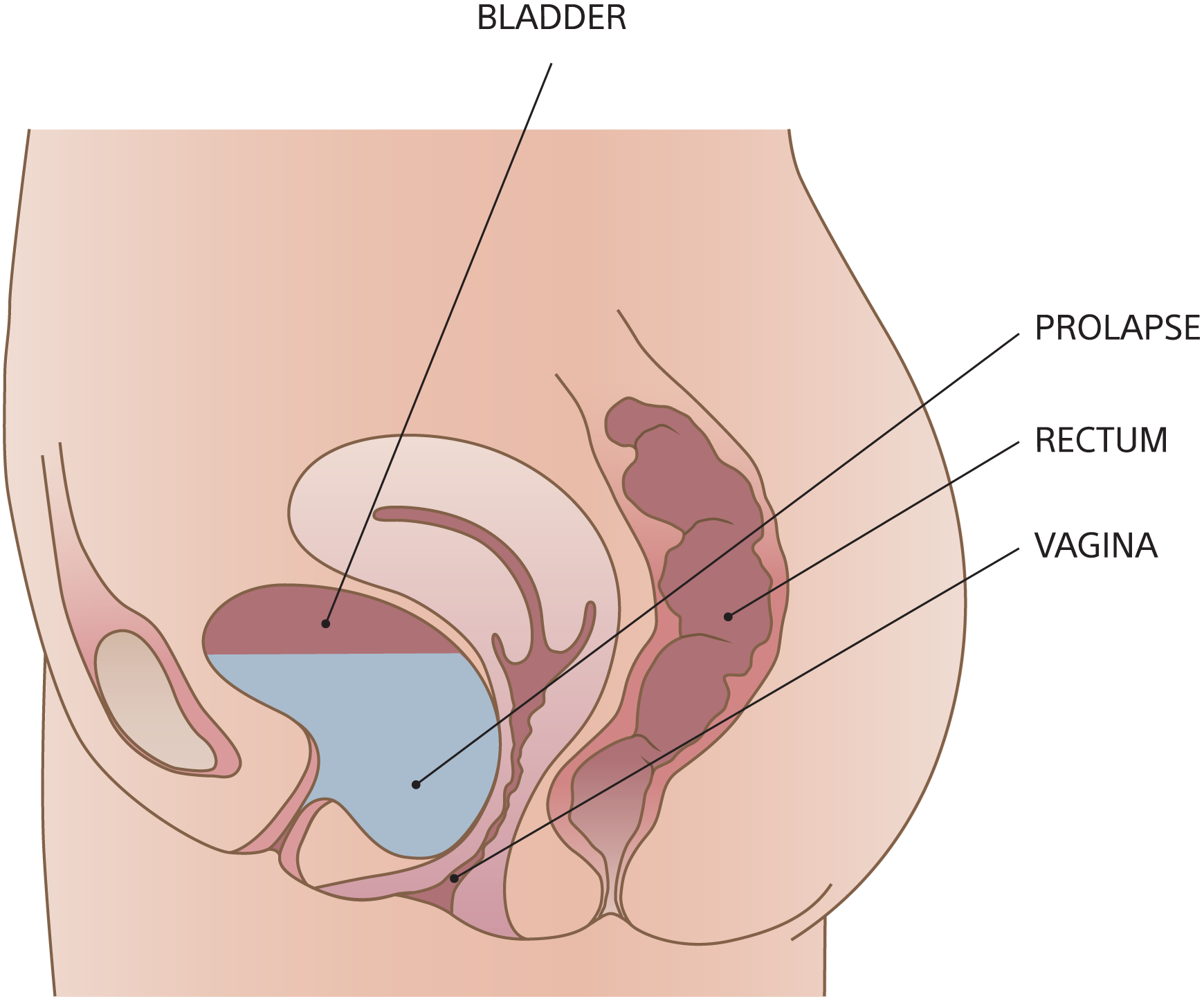
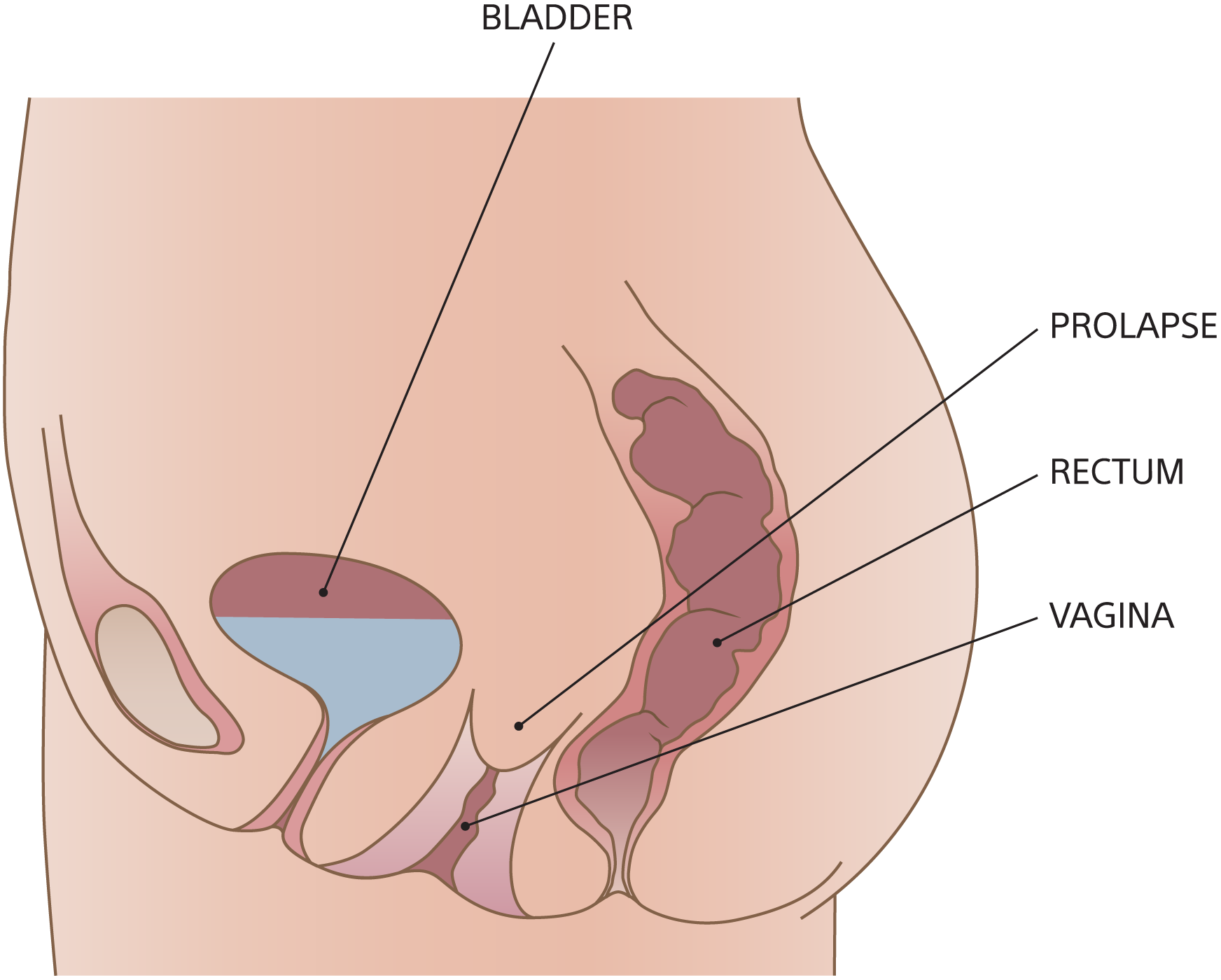
Bladder prolapse
The bladder drops into the front wall of the vagina.
You might notice:
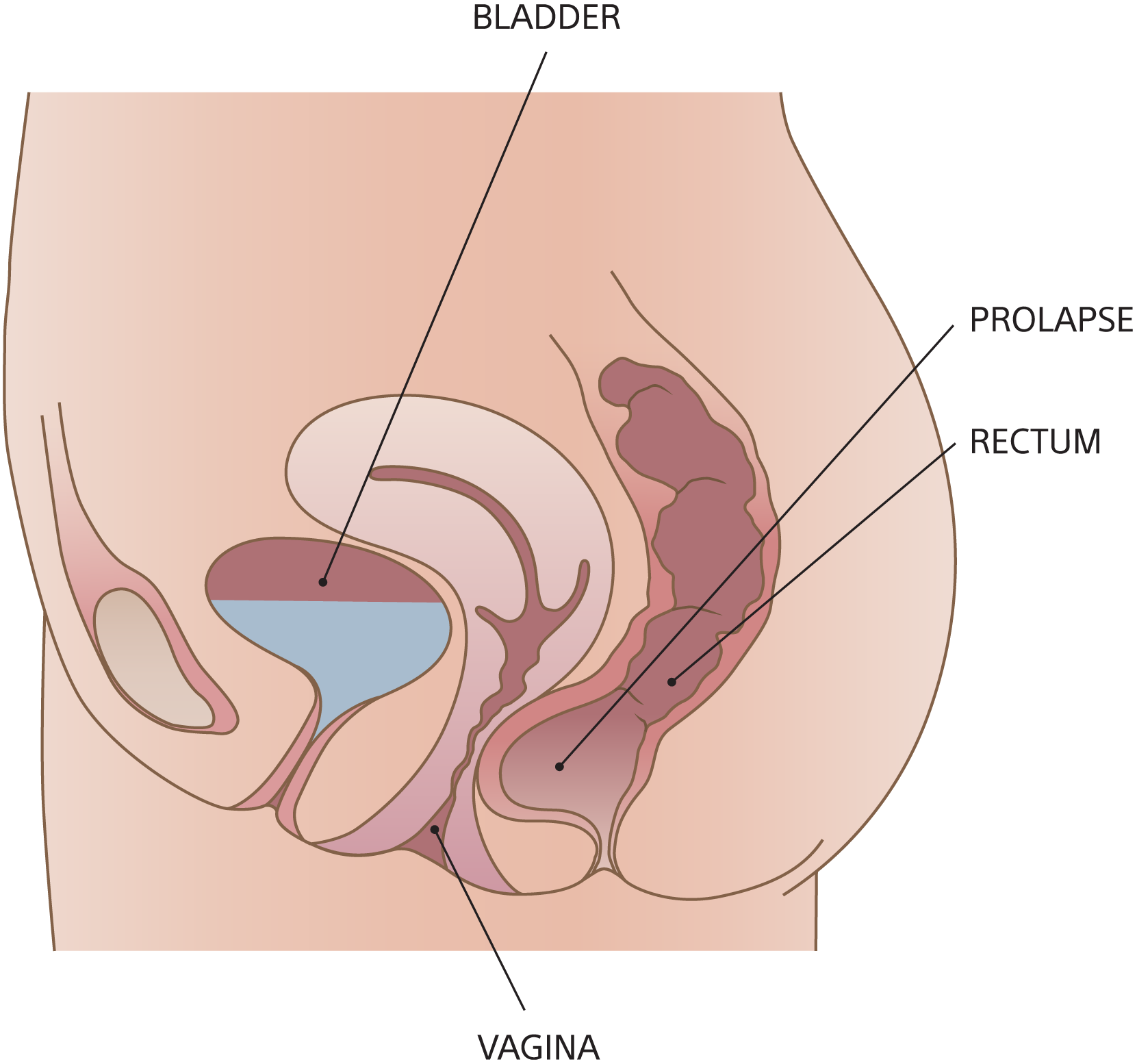
Top of the vagina loses support
The upper part of the vagina (once supported by the uterus) loses support and drops downward.
You might notice:
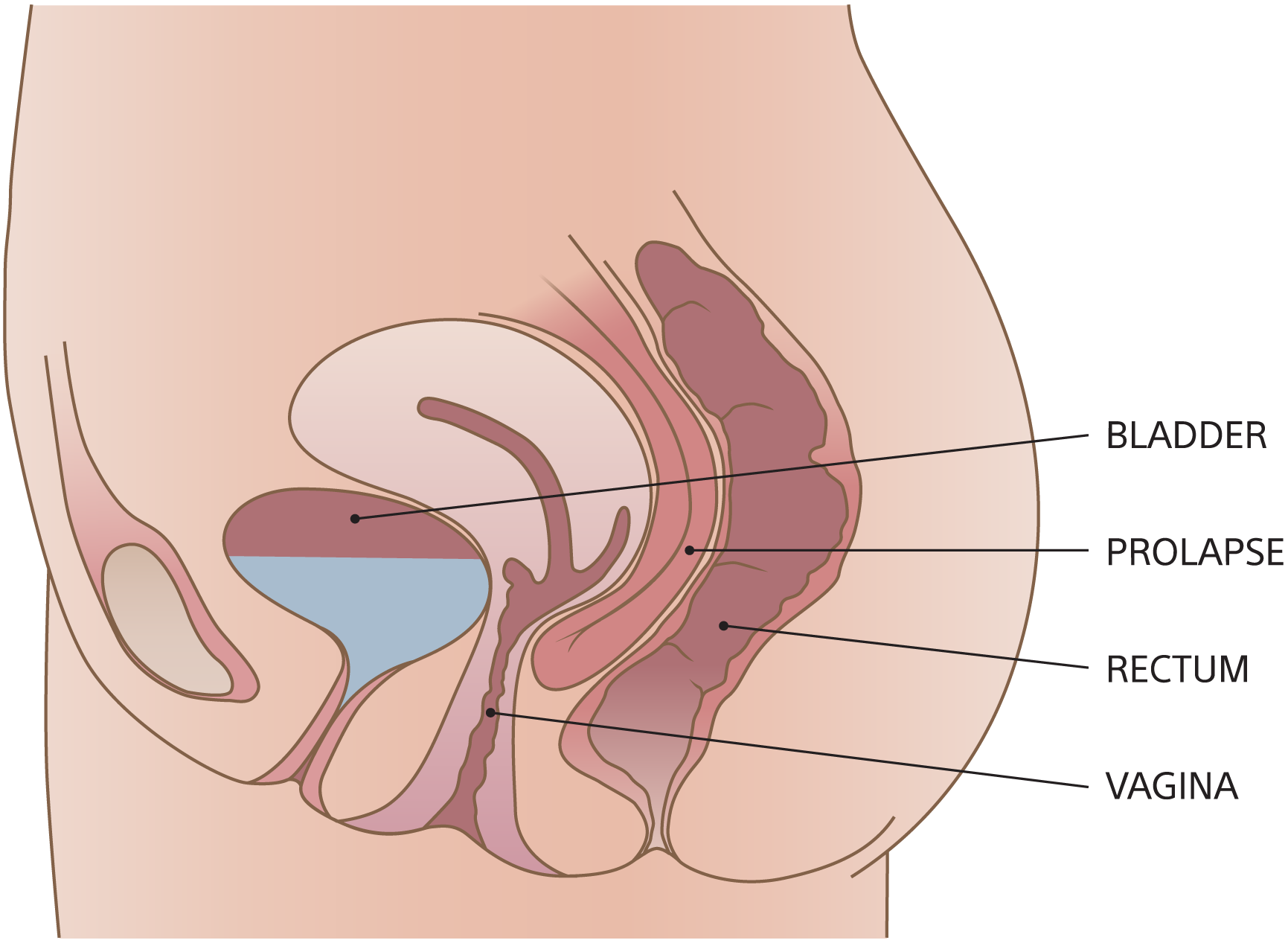
Rectum bulges into the vagina
The rectum pushes into the back wall of the vagina.
You might notice:
Small intestine presses into the vagina
The small intestine shifts downward and presses into the vaginal space, which may occur after a hysterectomy. In some cases, it may move between the back of the vagina and the rectum.
You might notice:
If these symptoms sound familiar, it may be worth learning more about available treatment options.
Pelvic organ prolapse can be treated in a number of ways, depending on your symptoms and individual needs.
Boston Scientific is committed to bringing more hope, more health, and more life to women around the world. Learn about Boston Scientific’s commitment to women’s health